What I do → Interventions

Treatments & therapies I use

The bigger interventions in my protocol — often done my way for a fraction of the usual cost — in my own words, with my own photos.

Product links below are affiliate links — you often get a discount and it helps support the site. As an Amazon Associate I earn from qualifying purchases. Not medical advice.
Overview

My interventions

My anti-aging/longevity interventions were selected to directly address all of the currently recognized Hallmarks of Aging . To fully understand those choices, it would be best to first fully understand those Hallmarks.
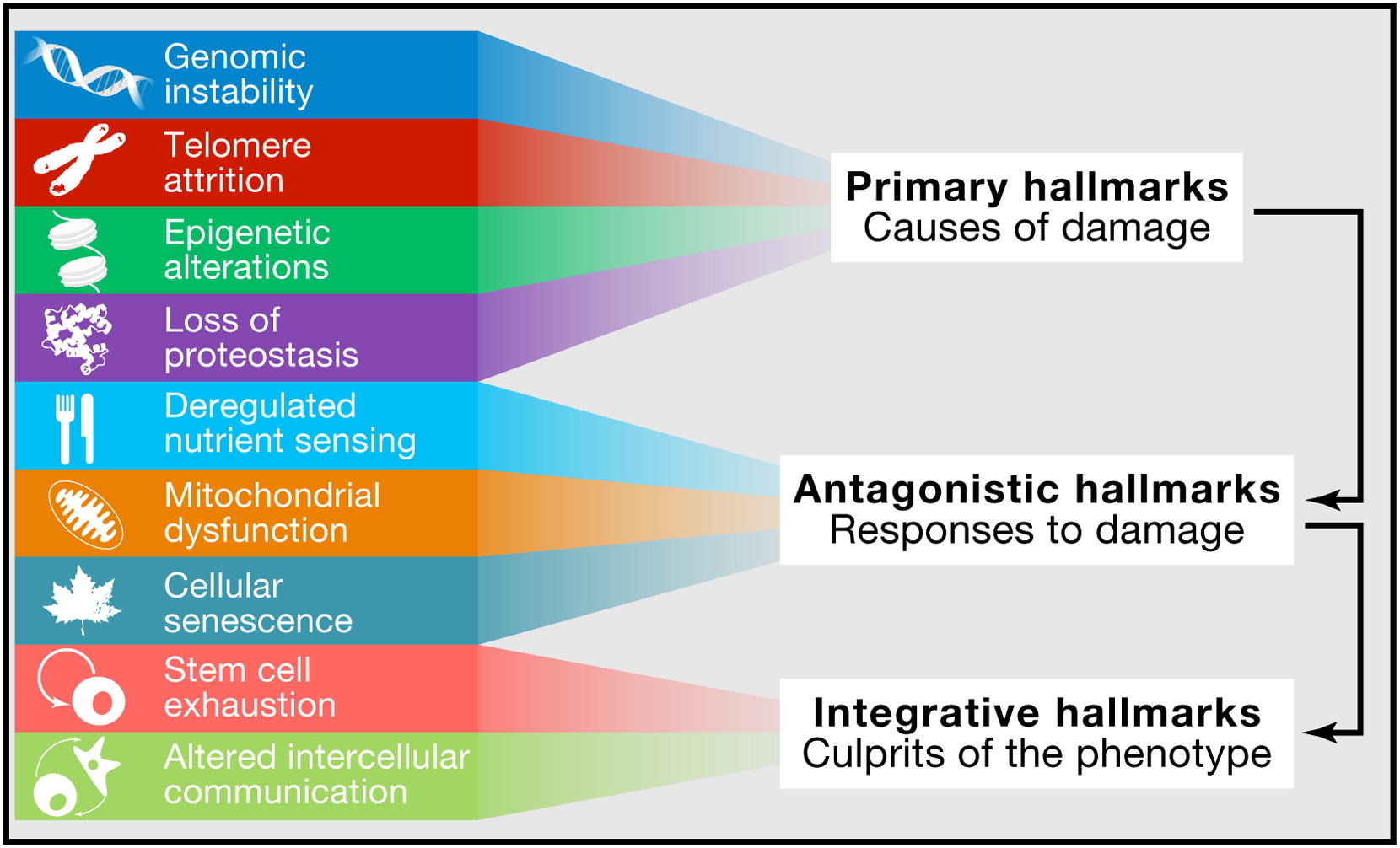
The nine hallmarks of aging in three groups. Primary hallmarks, causes of damage: genomic instability, telomere attrition, epigenetic alterations, loss of proteostasis. Antagonistic hallmarks, responses to damage: deregulated nutrient sensing, mitochondrial dysfunction, cellular senescence. Integrative hallmarks, culprits of the phenotype: stem cell exhaustion, altered intercellular communication

Diagram from Cell Press

The Currently Recognized Hallmarks of Aging:

Primary Hallmarks (root causes of cellular damage)

Antagonistic Hallmarks (responses to damage that can become harmful)

Integrative Hallmarks (drivers of the aging phenotype - culminate in tissue and organ-level dysfunction)

Additional Hallmarks (2023 expansion)

My Main Interventions:

.

Properly addressed means:

Future Potential Wishlist:

I was actually offered follistatin gene therapy in exchange for endorsement, but to me, the key to longevity is in NOT taking risks with new interventions. I'm willing to allow others to be the guinea pigs for the first 5-10 years to see if there will be any unknown & unexpected negative side effects over time..

Currently I don't NEED help with any of the above listed issues -- I'm still able to build muscle the natural way, my visceral and subcutaneous fat is already extremely low, my insulin sensitivity is great and my systemic inflammation markers are all low. But it's great to know that Follistatin will be available (and likely even less expensive) if/when I reach a point where I'll begin to need it.

Blood

Plasmapheresis — via plasma donation

In animal studies, it's been found that by exchanging blood plasma between older and younger animals, the older animals will become visibly & performatively younger with infusions of plasma from the younger animals. Likewise, the younger animals will become visibly & performatively aged with infusions of plasma from the older animals.

The fact that these younger animals appear to be basically "poisoned" by receiving the plasma from these older animals, and that older animals can be rejuvenated by simply replacing their blood plasma with albumin or saline, researchers have concluded that damaging components, like degraded proteins, build up in these older animals and contribute to their aging process.

Plasmapheresis (also called therapeutic plasma exchange, or TPE) is a medical procedure in which a person's plasma (the liquid portion of blood) is removed, filtered or treated, and then replaced with a substitute such as saline, albumin, or donor plasma. It is a way of offloading those older, damaged proteins that accumulate. Wealthy people pay anywhere between $8k - $10k to receive a plasmapheresis treatment, but you can accomplish the exact same thing via regular plasma donations, for which they will pay you.

Think of it like changing the oil in your car. Do you need to regularly change the oil in your car? Not really -- not if you don't care about how long your engine will last.

As engine oil ages (over time or with milage), it accumulates a variety of contaminants and degradation byproducts that reduce its lubricating efficiency and can damage engine components if not replaced. The components include combustion byproducts, unburned fuel, oxidation products, sludge & varnish, polymeric compounds, worn metals (iron, copper, aluminum, chromium, lead, tin), and engine oil additives that degrade over time, and just dirt and dust. As we age, waste products increasingly accumulate within our blood in much the same way.

I used to donate my plasma for free through the American Red Cross, and I would still much prefer that. I don't care so much about the money; I would like my plasma to go to burn victims. Plus I wouldn't have to wait 2 hours in line there just to donate.

But I have two problems:

1) My arm veins look terrific because I have very little subcutaneous fat, but this causes them to be very surfacy, shallow, and flat.

2) the Red Cross centers near me are staffed with very old, retired nurses.

Whenever I donate anywhere, I always pre-warn the clinician as to the tricky nature of my veins and let them know that they need to go in very steep and to stay close to the surface. They are my veins after all, and no one knows them as well as I do! But in their arrogance, the old Red Cross volunteer nurses invariably tell me, "Son, I've been drawing blood for 30 years, I think I know what I'm doing!"

Every single time, they've refused to listen to me. They'll go in way too deep and end up going straight through my vein (if they even hit it to begin with), which then causes a hematoma. When they miss completely, they'll often begin moving the needle around under my skin, which can be quite painful! As a result, my donations with them always leave me battered and bruised, are extremely uncomfortable, and are nearly always unsuccessful.

It got so bad after a while that whenever I would come in, they'd recognize me from previous visits and would simply refuse to draw from me! They would send me away without even trying, telling me that my veins were too problematic!

So now I donate plasma through commercial plasma donation centers, like BioLife Plasma Services and CSL Plasma, because they mostly listen to me. When they do, my donations go smoothly. With multiple locations in each of 37 states (US), chances are good that there's a donation center near you.

I primarily donate now through CSL Plasma. If you donate there, you'll get 500 bonus iGive points on your second donation, using code KILSKV7JRF.

You are permitted to donate plasma up to two times per week. I go through rounds of donations about once every quarter, donating twice-weekly for 4-5 weeks.

The average 70 kg adult (154 lbs) has about 3.5 liters of plasma, or 50–55 mL/kg. I weigh 75.75 kg (167 lbs), so my body contains between 3787.5 - 4166.25 mL of plasma.

They typically draw only about 835 mL from me each time I donate (based on my weight).

3787.5 mL / 835 mL = 4.535 donations

4166.25 mL / 835 mL = 4.989 donations

So this means that my entire blood volume of plasma is filtered in just under 5 donations, or in 2.5 weeks of donating.

I like to go for 5 weeks to cycle through my entire blood volume nearly twice. I say "nearly" only because occasionally a donation attempt is unsuccessful, due to the challenging nature of my veins.

I am also amused by the thought that two months of plasma donations will completely pay for my next ten HBOT treatments.

For anyone wishing to look, perform, be, and stay young, I highly recommend doing regular plasmapheresis if you can afford to, or regular plasma donations if you can't.

Oxygen

Hyperbaric oxygen (HBOT)

Hyperbaric Oxygen Therapy (HBOT) is a treatment in which a person breathes 100% oxygen in a pressurized chamber—typically at 1.5 to 3 times atmospheric pressure (ATA). This greatly increases the amount of oxygen dissolved in the blood plasma, which can have powerful effects on healing, inflammation, and cellular function.

Scientifically Supported Benefits of HBOT:

1. Accelerated Wound Healing

2. Neuroprotection & Brain Repair

3. Mitochondrial Biogenesis

4. Stem Cell Mobilization

5. Reduced Inflammation

6. Anti-Aging & Epigenetic Rejuvenation

7. Carbon Monoxide and Gas Poisoning

8. Antimicrobial & Immune Support

Potential Risks & Considerations

Emerging or Experimental Areas

Notes

Hyperbaric oxygen protocols by goal. Anti-aging / telomeres: 2.0 ATA, 100% oxygen, 90 min, 5x/week for 60 sessions over 3 months (shown to increase telomere length and reduce senescent cells, Tel Aviv study). Cognitive repair / TBI / stroke: 1.5-2.0 ATA, 60-90 min, 40-80 sessions. Wound healing / diabetic ulcer: 2.0-2.5 ATA, 90 min, daily for 30-60 sessions (FDA/Medicare approved). Long COVID / fatigue: 1.5 ATA, 60 min, 20-40 sessions. Athletic recovery / muscle injury: 1.3-1.5 ATA, 60 min, 5-20 sessions. Infection / osteomyelitis: 2.0-2.5 ATA, 90 min, daily, 30-60 sessions. Radiation necrosis / cystitis: 2.0-2.5 ATA, 90 min, 30-60 sessions.

Most of the hard-shelled (and soft-shelled) chambers that I've seen at conferences and trade shows look like the chamber above, or worse, having only a small porthole to the outside world. If you're claustrophobic at all, you're probably not going to like the experience!

Oxygen is highly explosive and flammable. Due to the high-oxygen content within these medical grade hard-shell chambers, no electronics are allowed inside. Unless you've got a good paperback book, or you can sleep or meditate through each of your entire 90-minute treatments, being sealed within a steel coffin for that long might be a challenge.

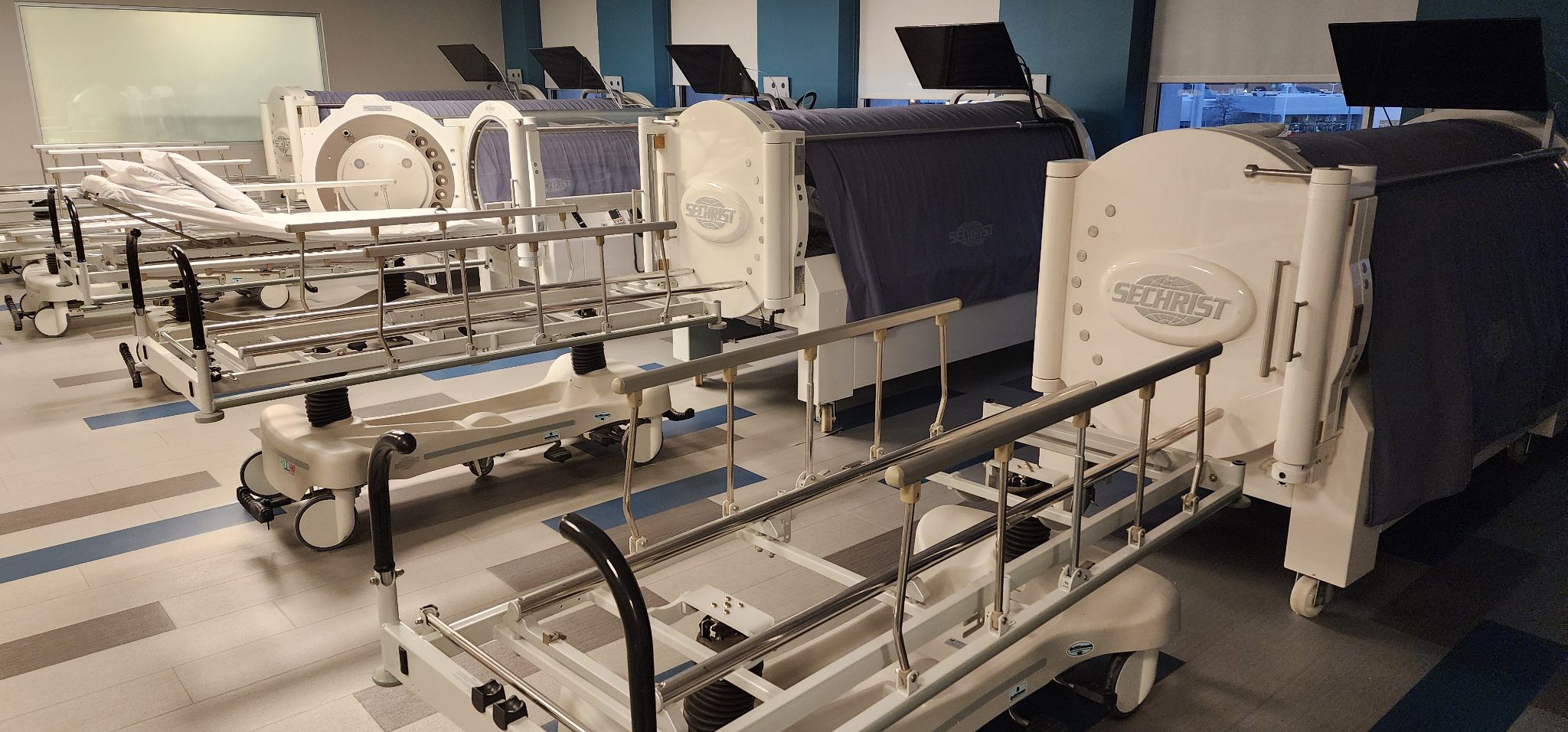
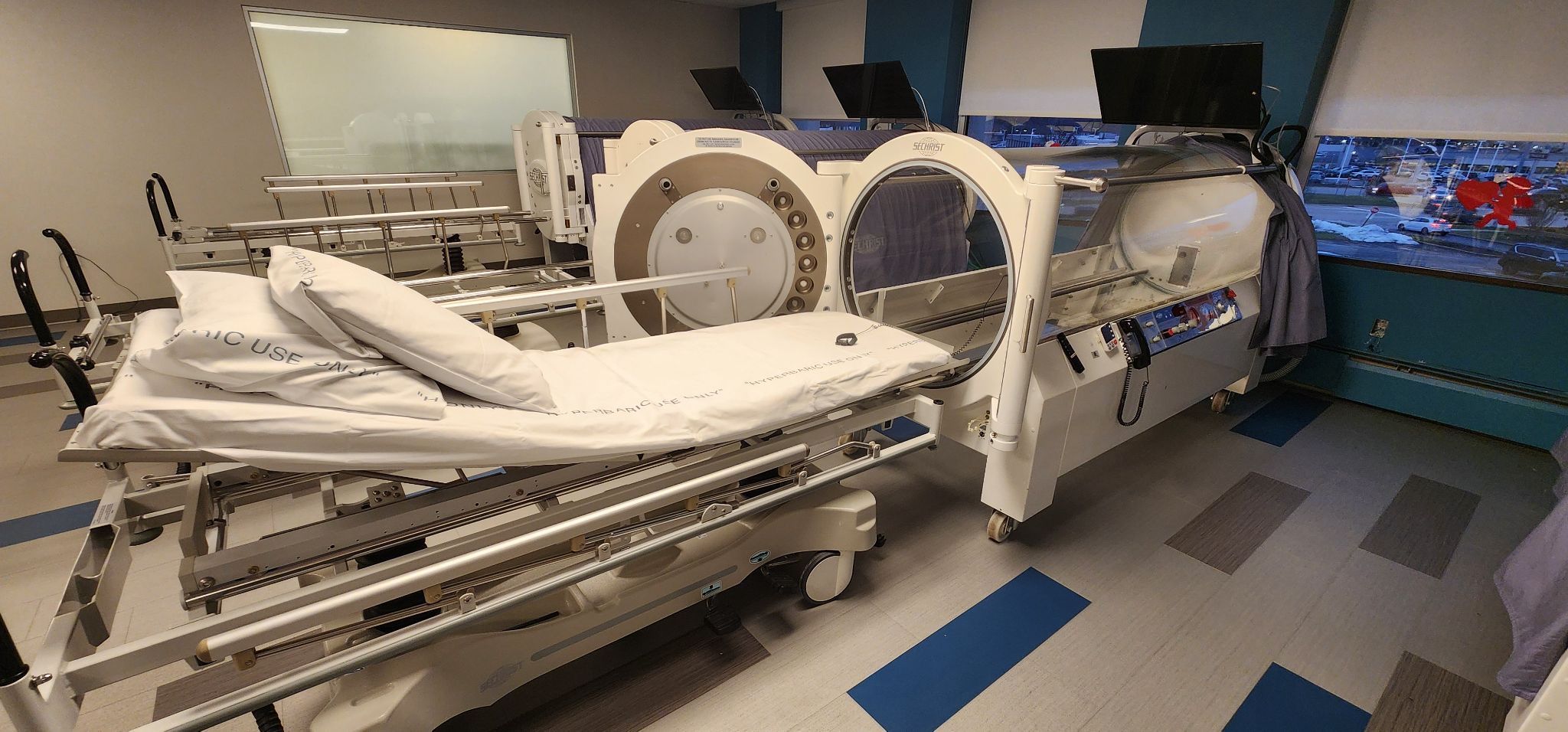
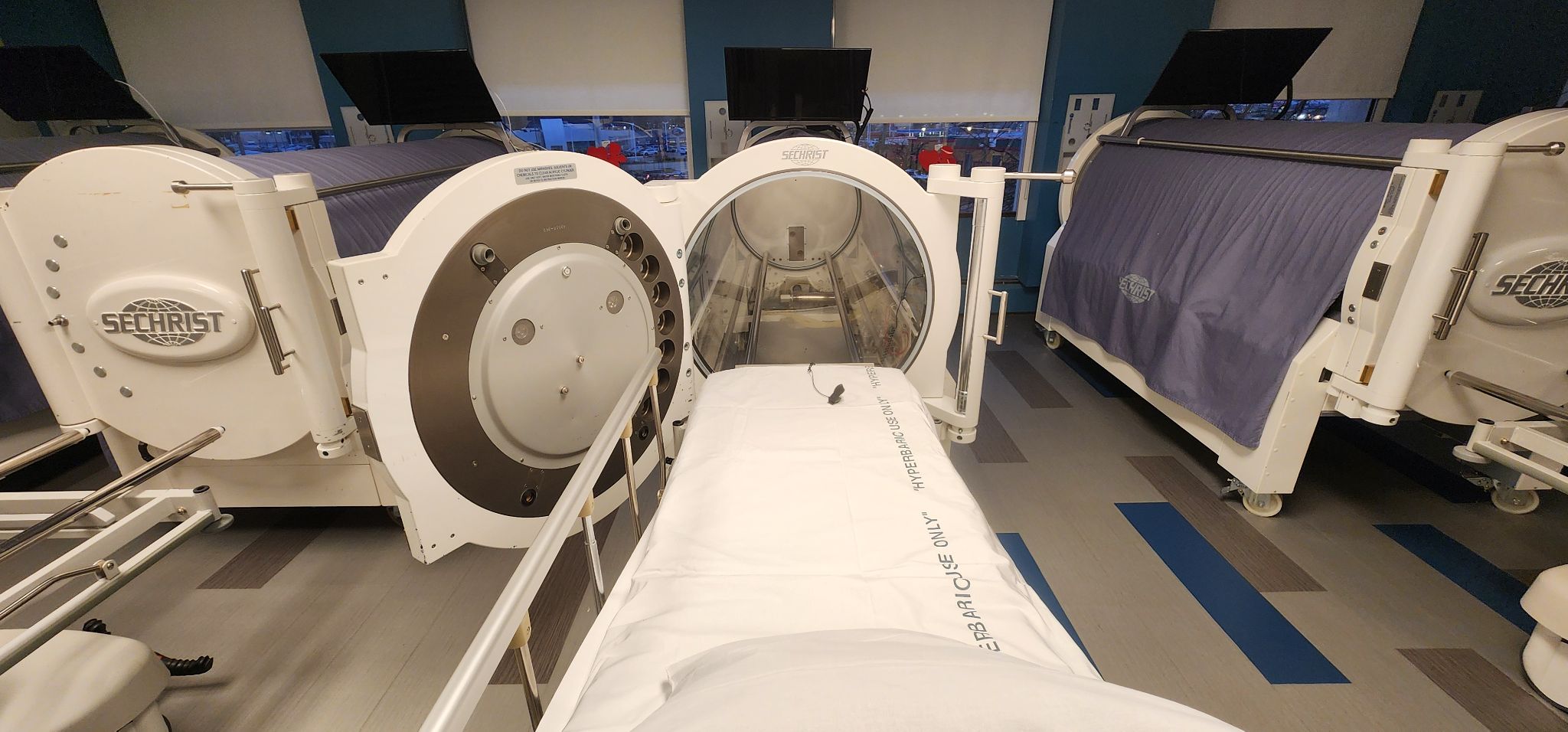
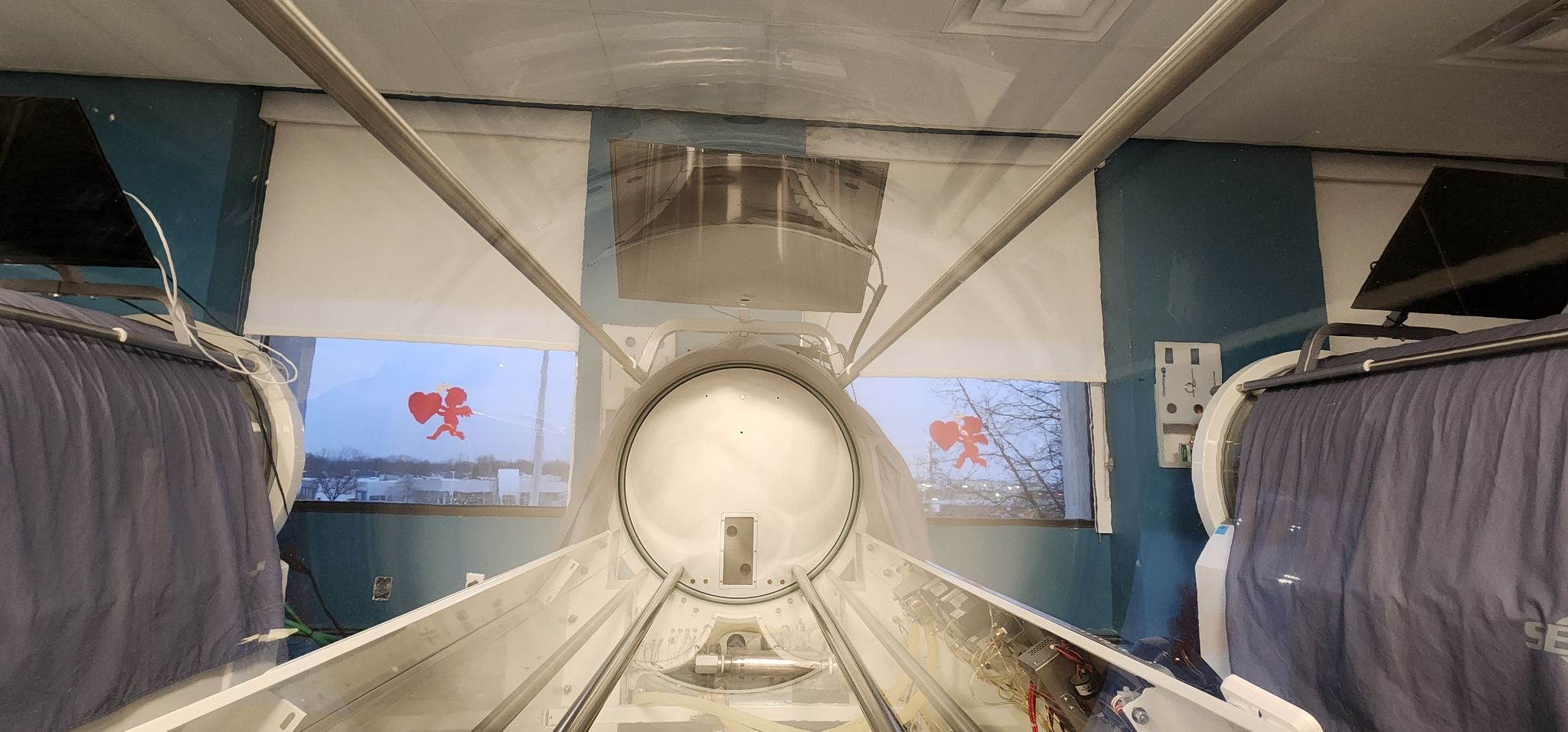
I'm extremely pleased that I've found a place near me for treatments offers completely clear chambers, enabling you to binge your new favorite Netflix series!

A row of Sechrist monoplace hyperbaric chambers with transfer gurneys parked alongside them in a clinic treatment room.
A gurney made up with “Hyperbaric Use Only” linens and a pillow, beside an open Sechrist chamber with its acrylic door swung back.
Looking down the length of a gurney into the open door of a Sechrist hyperbaric chamber, other chambers on either side.
The view from inside a hyperbaric chamber, looking out through the clear acrylic hull at the treatment room and its windows.
Beware of influencers who take actual scientifically-verified protocols and attempt to rebrand them with their own “[brand name]-approved protocol” mumbo-jumbo. It’s just marketing B.S. and it pisses me off.
Regenerative

Stem cells & exosomes

First, what are stem cells and exosomes?

Stem cells are undifferentiated cells that have the unique ability to develop into different types of cells in the body, such as muscle, nerve, or skin cells. They also have the potential to repair damaged tissues, making them important in regenerative medicine. Stem cells can be sourced from various places like bone marrow, fat tissue, or even umbilical cords.

Exosomes are small, extracellular vesicles secreted by cells, including stem cells. They contain proteins, lipids, and genetic material (like RNA), and serve as communication tools between cells. Exosomes play a critical role in cell signaling and can influence tissue repair, immune responses, and other biological processes. In therapies, exosomes are often used for their regenerative properties, as they can transfer beneficial factors to target cells without introducing whole cells.

The current state of the art of regenerative medicine, utilizing stem cells and exosomes, is phenomenal -- the results of which have seemed like magic for so many -- and the prices for treatments are beginning to come into reach for the average person. So I decided to finally jump in.

Dr Joy Kong

If you too are interested in getting Stem Cell Therapy and/or Exosome treatment with Dr Joy Kong, enter your contact info here and reference code PASCOE for $500 off your treatment!

Coincidentally, several years ago, I began using a regenerative skin serum (that I highly recommend) that was also created by Dr Joy: CharaOmni Stem Cell Regenerative Cream and Anti-Pigmentation Formula - stem cells, peptides, and anti-pigmentation, all in a topical serum! It's amazing! -- 💰 Use code PASCOE for 10% off

Stem Cell Therapy

Trust me, I would LOVE to receive regular stem cell treatments just for their anti-aging properties, but I don't have the kind of disposable income required to regularly receive stem cells just for vanity. But when it comes to regeneration for feeling and performing my best, count me in!

For years, I've suffered from rotator cuff impairments in both shoulders and a ligament or tendon injury in my left elbow that healed shorter, preventing full extension of my left arm. The rotator cuff impairment in my right shoulder limited its range of motion and made it uncomfortable to pull on & off shirts. The impairments in both shoulders made it painful to sleep on my sides, which had led to poorer-quality, restless sleep. However, when it came to physical activity and working out, I always just pushed through the discomfort, which likely caused accumulation to the injuries.

Therapeutic doses of Stem Cells are still quite expensive, but over the weeks of 2024, my discomfort finally reached a level to which I knew that I needed to make a serious choice:

a) I could wait 5 or 10 more years and hope for the price to come down or hope that I might win the lottery. In this option, I would experience 5 - 10 more years of discomfort, limited range of motion, sleep disruption, and potential for further damage, OR

b) I could raid my 401k now to hopefully eliminate the discomfort, impaired mobility, and sleep issues right away and not have to continue suffering for the ensuing years.

Well, my discomfort led me to finally accept the second option.

There are many types of stem cells. I'm not even going to pretend to be an expert on all of these. If you're interested, expand this section to see the type definitions according to ChatGTP 4o:

"There are several types of stem cell therapies available today, each using different types of stem cells and approaches to treat a range of conditions. Here's an overview of the most common types:

1. Hematopoietic Stem Cell Transplant (HSCT)

- Source: Bone marrow, peripheral blood, or umbilical cord blood.

- Use: Commonly used for blood disorders such as leukemia, lymphoma, and other cancers, as well as some autoimmune diseases.

- How it Works: Involves transplanting healthy blood-forming stem cells to replace damaged or diseased ones in the patient's body.

2. Mesenchymal Stem Cell Therapy (MSC)

- Source: Bone marrow, fat tissue (adipose), umbilical cord, or placenta.

- Use: Used for regenerating cartilage, muscle, and bone. It’s also being explored for treating conditions such as osteoarthritis, heart disease, and immune-related disorders.

- How it Works: These stem cells can differentiate into various tissue types and have anti-inflammatory properties, promoting tissue repair and regeneration.

3. Embryonic Stem Cell Therapy

- Source: Derived from early-stage embryos (blastocysts).

- Use: Has the potential to treat a wide range of diseases such as Parkinson’s disease, spinal cord injuries, and diabetes.

- How it Works: These cells are pluripotent, meaning they can become any cell type in the body. However, their use is ethically controversial and tightly regulated.

4. Induced Pluripotent Stem Cell (iPSC) Therapy

- Source: Adult cells (usually skin or blood cells) that are genetically reprogrammed to an embryonic-like state.

- Use: Potentially used for disease modeling, drug testing, and regenerative medicine applications, including treatments for neurodegenerative diseases and heart conditions.

- How it Works: These cells can be coaxed into becoming almost any cell type, similar to embryonic stem cells, without the ethical concerns.

5. Amniotic Stem Cell Therapy

- Source: Amniotic fluid and the amniotic membrane from the placenta.

- Use: Primarily used for orthopedic conditions like joint injuries and wound healing.

- How it Works: Amniotic stem cells are multipotent, capable of differentiating into different types of cells, particularly those involved in tissue repair.

6. Neural Stem Cell Therapy

- Source: Neural stem cells are derived from the brain or spinal cord.

- Use: Investigated for treating neurodegenerative diseases like Parkinson’s disease, Alzheimer’s disease, and spinal cord injuries.

- How it Works: These cells can differentiate into neurons and other nervous system cells, potentially helping regenerate damaged neural tissue.

7. Adipose-Derived Stem Cell Therapy

- Source: Fat (adipose) tissue.

- Use: Used in regenerative medicine for conditions like arthritis, wound healing, and cosmetic treatments (e.g., skin rejuvenation).

- How it Works: These stem cells are easily harvested from fat tissue and have the ability to promote tissue repair and reduce inflammation.

8. Umbilical Cord Blood Stem Cell Therapy

- Source: Blood from the umbilical cord, typically collected at birth.

- Use: Primarily used for treating blood disorders, immune deficiencies, and certain cancers.

- How it Works: Rich in hematopoietic stem cells, it offers an alternative to bone marrow transplants for rebuilding the blood and immune system.

9. Exosome Therapy (Stem Cell-Derived Exosomes)

- Source: Exosomes are small particles derived from mesenchymal stem cells.

- Use: Used in regenerative medicine to promote healing and reduce inflammation, especially in joint injuries, skin rejuvenation, and neurodegenerative conditions.

- How it Works: Exosomes carry signaling molecules that facilitate communication between cells and can enhance tissue repair without directly introducing stem cells.

Stem cell therapy continues to evolve, with ongoing research exploring new applications and refining techniques to improve safety and efficacy. Some therapies, like embryonic stem cells and iPSCs, are still largely in the experimental stages, while others, like HSCT and MSCs, are more widely available."

Then there's the question of culture-expanded stem cells or not. Culture expansion is a method by which your own stem cells can be harvested and then replicated externally to grow thousands to millions more cells before returning them back to you. This is currently only allowed outside of the United States. But some experts find this to be less desirable, because the expanded cells have already differentiated into specific cell types, making them less useful for systemic use.

Stem cell therapy is turning up everywhere. It seems like practically everyone, including the corner gas station, is offering some sort of PRP and/or stem cell treatment these days. It's difficult to know the safety, quality, or efficacy of the stem cells that you're receiving or to know who you can trust.

This is where Dr Joy Kong differentiated herself from the pack for me, by providing some fantastic information through her podcasts & lectures that helped me to decide what I would be comfortable with receiving.

Check out Dr Joy's very excellent lecture on Stem Cell Therapy as An Antiaging Tool and her video on Stem Cells Explained:

Based upon her expertise, experience, and many lectures on the subject, I decided to get therapeutic stem cell therapy plus exosomes from Dr Joy Kong at CharaHealth, 9568 Topanga Canyon Blvd, Chatsworth, CA 91311.

I live near Detroit, so this involved an easy 4 hour flight to LAX and then an Uber to the clinic. (It's SO much nicer to let someone else do the driving in LA!)

Below, I've included some videos of my therapeutic treatment experience with Dr Courtney Gillenwater & Dr Joy, and some goofing-around with Dr Joy for Instagram.

So on Sept 9th, 2024, I received my very first IV stem cell therapy (4ccs of umbilical-derived stem cells or 40 million cells, 8 million of which were MSCs) along with multiple direct injections of 2ccs of exosomes into my right shoulder. This was administered after first performing IV ozone. The stem cells and exosomes were then followed by targeted laser treatment to direct them to the desired areas. A course of various peptides (BPC-157, TB-500 were standard. I supplemented with Thymosin Alpha-1, Epithalon, Dihexa, Cerebrolysin, Selank, DSIP, CJC-1295/Ipamorelin, LL-37, GHK-Cu, and Follistatin) were then used post-treatment. I even followed this up with 10 hardshell hyperbaric chamber (HBOT) treatments, and doses of molecular hydrogen water and methylene blue.

I have been doing my own rehab exercises and gentle stretching regimen ever since, and it's working!

One month later, I can report that the range of motion (ROM) in my right shoulder is nearly perfect in several directions. I can sleep on both shoulders now without pain, and I can pull on & off compression shirts without discomfort! However, reaching behind and up my back still remains a challenge with my right shoulder only. I'm continuing to work on this.

My left elbow still doesn't straighten-out all of the way, but it seems better. Unfortunately, I have no way of qualifying the elbow's ROM regeneration, but I'll keep working at straightening it, no matter how painful that can be. I'm determined.

Also one month post-treatment, I've begun my P90X workouts again, but I am using KAATSU bands with only very light weights and lower rep counts for now, and I'm finding this to be quite challenging! The KAATSU bands make working with light weight feel like working with heavy weight, only without the risk of injury.

I will increase each exercise in weight only once I can easily perform more than 15 reps with the current weight. This will take many weeks, but it will ensure that the tendons and ligaments have a chance to heal & strengthen along with and ahead of the muscle. Plus, I've got nothing but time. 😉

Reportedly, stem cells will continue to perform regeneration for up to 3 - 6 months after treatment, so I'm going to continue gentle stretching to push past some still-existing minor range limits in my right shoulder (like reaching up the middle of my back) to see if I can get the full 100% range of motion back. If not, I may require a second treatment. But I still have 2 - 5 more months of regeneration to receive from this treatment, so I'm still very optimistic about my chances!

In the history of our world, what an amazing time this is to be alive!

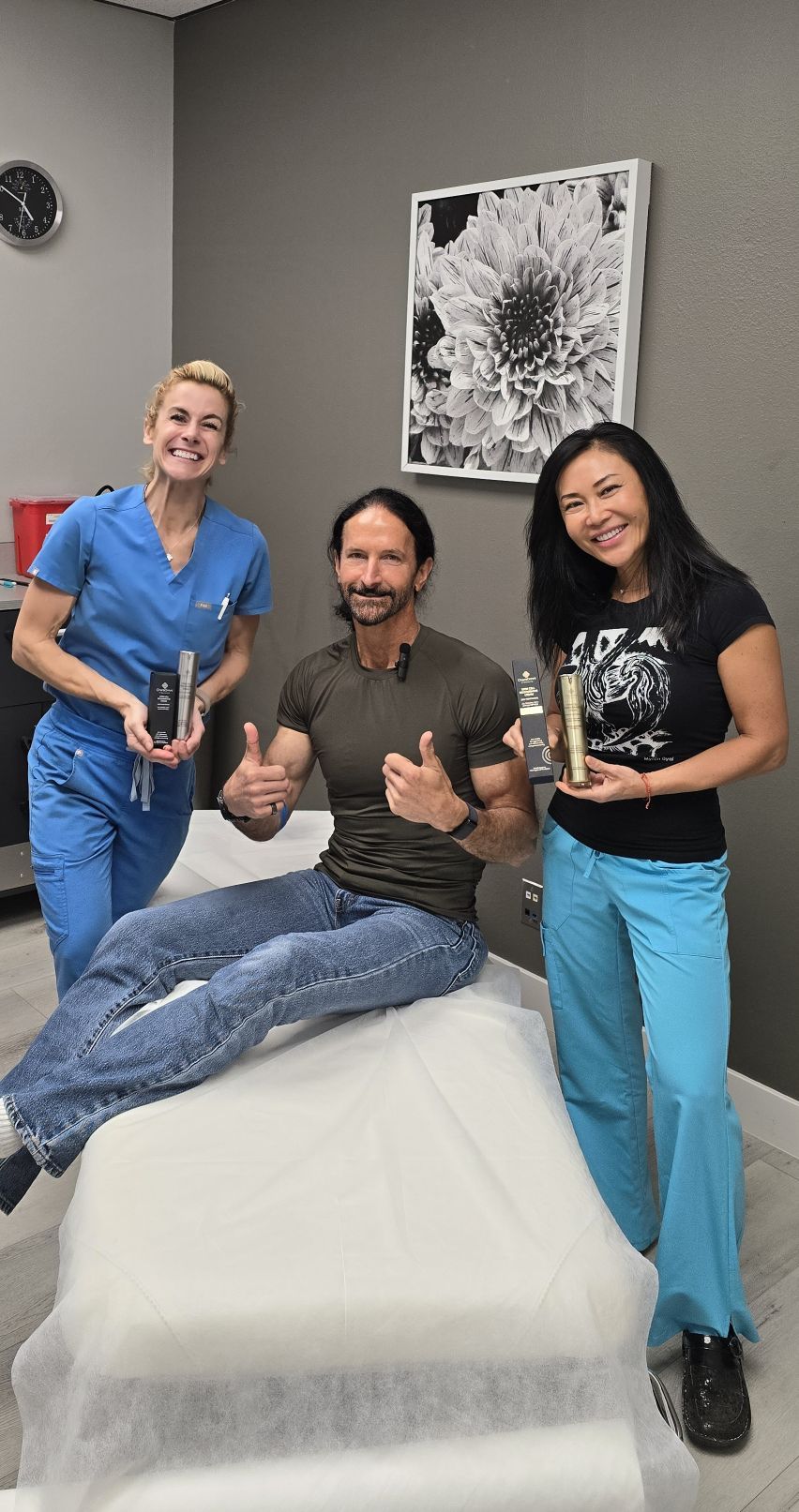
Dave Pascoe giving two thumbs up from a treatment table, flanked by two clinic staff in scrubs each holding an exosome product vial and carton.

Dr Courtney Gillenwater, Me, & Dr Joy

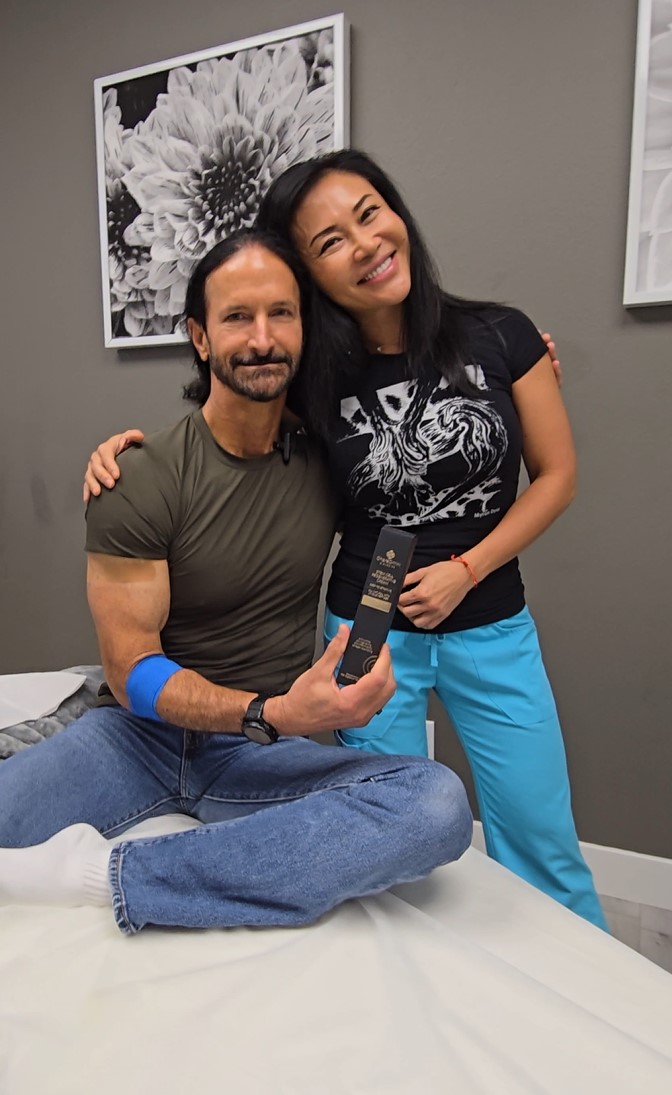
Dave Pascoe seated cross-legged on a treatment table with a blue wrap on his arm, holding an exosome product carton beside a clinician.

Me & Dr Joy

Exosomes

Once again, exosomes are the signaling molecules that are created by stem cells. They are short-lived, but these are what trigger regeneration.

Club Exosome is a joint venture between Dr Sandra Kaufmann (author of The Kaufmann Protocol: Why we Age and How to Stop it and The Kaufmann Protocol: Aging Solutions) and Olympian Stephen McCain (host of The Stephen McCain Podcast) where they try to democratize access to cutting edge modalities like exosome therapy by creating a quarterly networking event of like-minded people who desire to pool resources to obtain exosomes at very close to wholesale prices.

On June 8th, 2024, I had the opportunity to join the club in Vegas, and receive 37.5 billion exosomes. It was terrific. I met some very cool and interesting people, including Sandra & Stephen, plus some athletes and Cirque du Soleil-like performers. Fascinating people!

It was the very first time I'd ever tried exosomes and the difference was dramatic. I had suffered for years from rotator cuff impairments in both shoulders -- injuries that prevented me from sleeping on my sides -- which tended to cause me poorer-quality, restless sleep. Exosomes are fairly fast-acting, but short-lasting in duration, and that very evening I was able to sleep on my sides, pain-free, for the first time in as long as I could remember!

I felt SO great, that when I flew home the next day, I spotted the pair of gymnastic rings that I have hanging from a tree in my backyard, and decided to give them a go. 😂🤣

Okay, so I'm a little naive. I should have given my shoulders several weeks (if not a few months) to properly heal before trying anything dumb like that. While flipping and doing inverted chins, I felt a little tear almost immediately, and I quickly realized how badly I'd just screwed up.

So that's how I wasted my very first exosome treatment! 😂

I don't think I could afford to do this every quarter, but I would certainly do it again. It's quick & easy and relatively inexpensive. It's definitely not as massively regenerative or as long-lasting/acting as stem cells, but it does a great job of rejuvenation for it's short duration.

Maybe I'll see you at the next Club Exosome? Their last one coincided with the A4M conference in Las Vegas in December, and I had an amazing time!

Educational n-of-1 documentation — not medical advice. Product links are affiliate (rel="sponsored"); you often save and it supports the site. © Dave Pascoe